
[PC Gamer} This year's Digimon Story Time Stranger may have looked like a traditional JRPG, but its commitment to raisin


[PC Gamer} This year's Digimon Story Time Stranger may have looked like a traditional JRPG, but its commitment to raisin
Nanimon is. It’s a design ethos that might feel chaotic at first, even sloppy—why did my cool laser dragon turn into a sexy lady with big honkers?—but it also grants an exciting sense of freedom, an almost anarchic rush of imagination not unlike flipping through the doodles in a kid’s notebook.You truly never know what you’ll see next.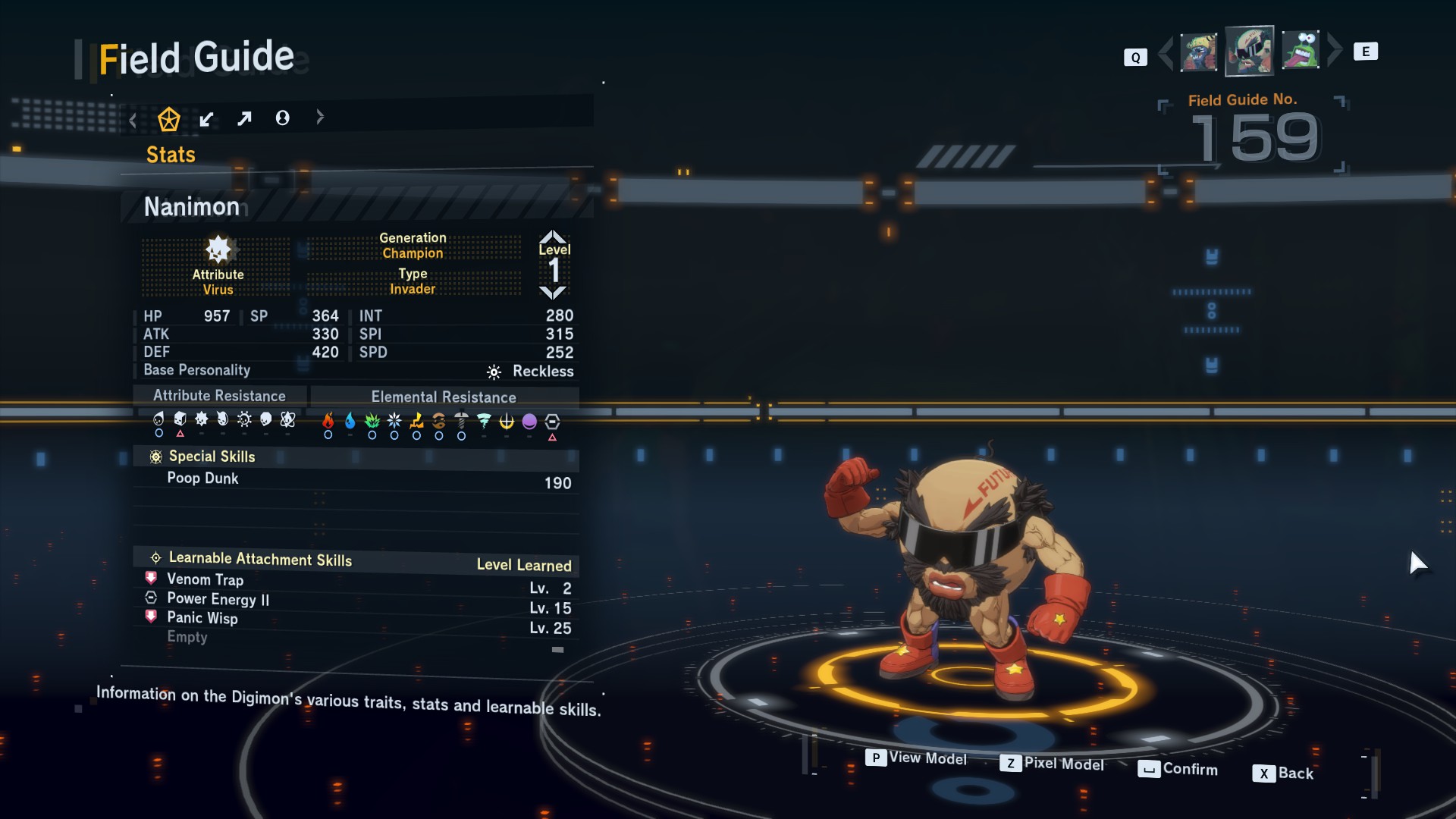 (Image credit: Bandai Namco)I’ve got deep memories playing with my own Digivice—the Tamagotchi-like series of toys the franchise got its start with nearly thirty years ago—as a kid, feeding my Veemon, cleaning up his poop, taking him on walks, and, when I didn’t feel like walking, violently shaking the thing to trick it into thinking I was. I almost certainly cared for my digital friend’s wellbeing more than my own.While the series has evolved in many ways through its move to videogames, it’s never lost sight of the raising-sim focus of those nostalgic toys. Time Stranger is no exception.Sure, there are traditional turn-based battles where you control a team of three Digimon with three more waiting on the sidelines to be swapped in at any moment. But Time Stranger isn’t particularly interested in those battles being the real focus, as evidenced by how easy it is to switch to a fairly reliable auto-battle and set the speed to x5. No, battles are largely a flashy means to an end here, ways to level up your rapidly growing army with plenty of space in between to tweak and adjust everyone’s stats to the nth degree.You’ll spend nearly as much time rummaging through menus and editing a host of parameters for each and every one of your Digimon as you’ll spend letting them fight. Nanimon needs higher intelligence if I want to evolve him, and Sukamon is so close to their next stage that I might as well feed them some stat-boost items, meanwhile Gargomon isn’t progressing the way I want them to so I’ll devolve them back down and run down a different evolutionary path, and oh right I’ve got a dozen other Digimon to consider, too. Hardly a moment goes by without a goal achieved and another discovered.
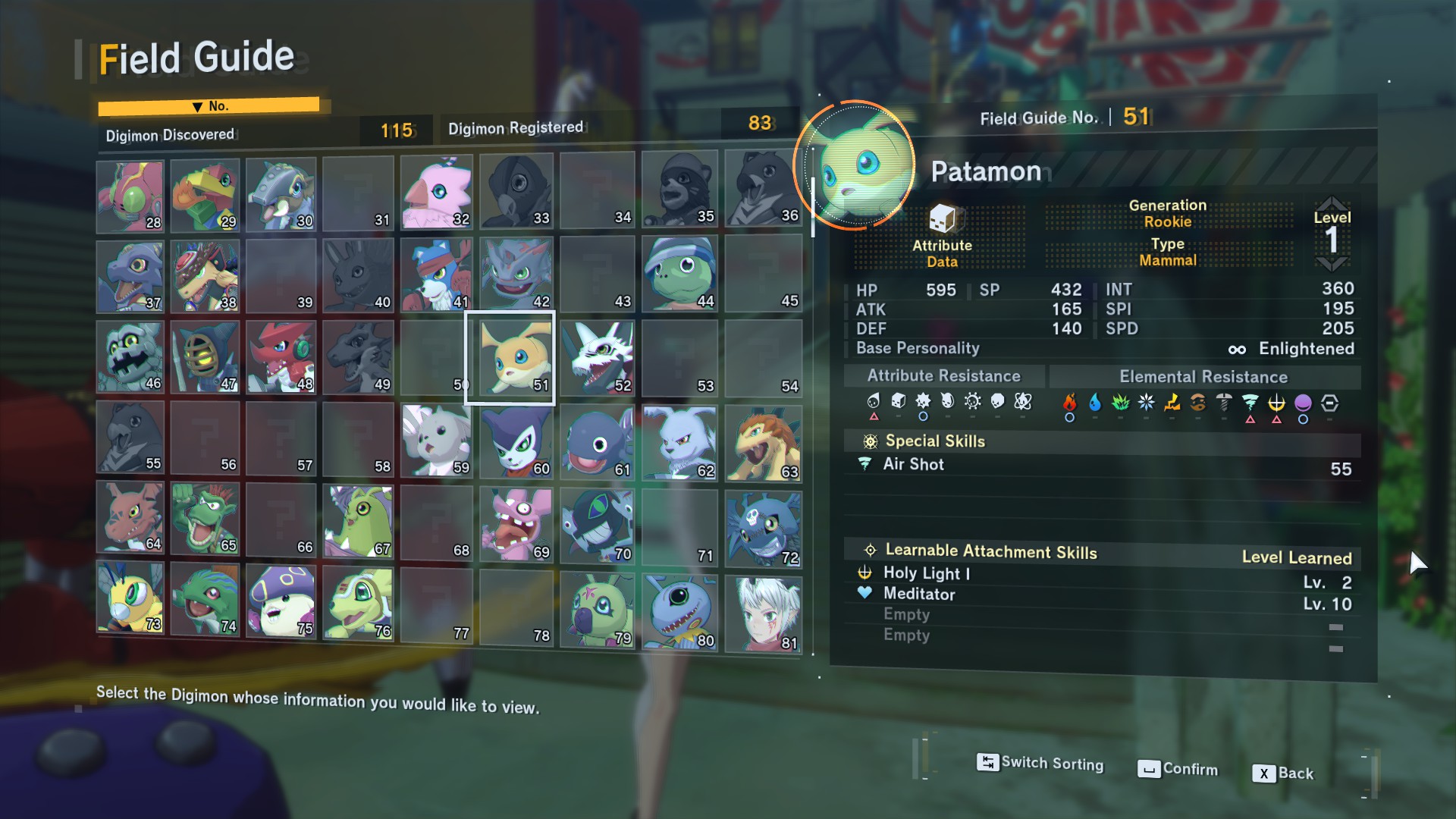
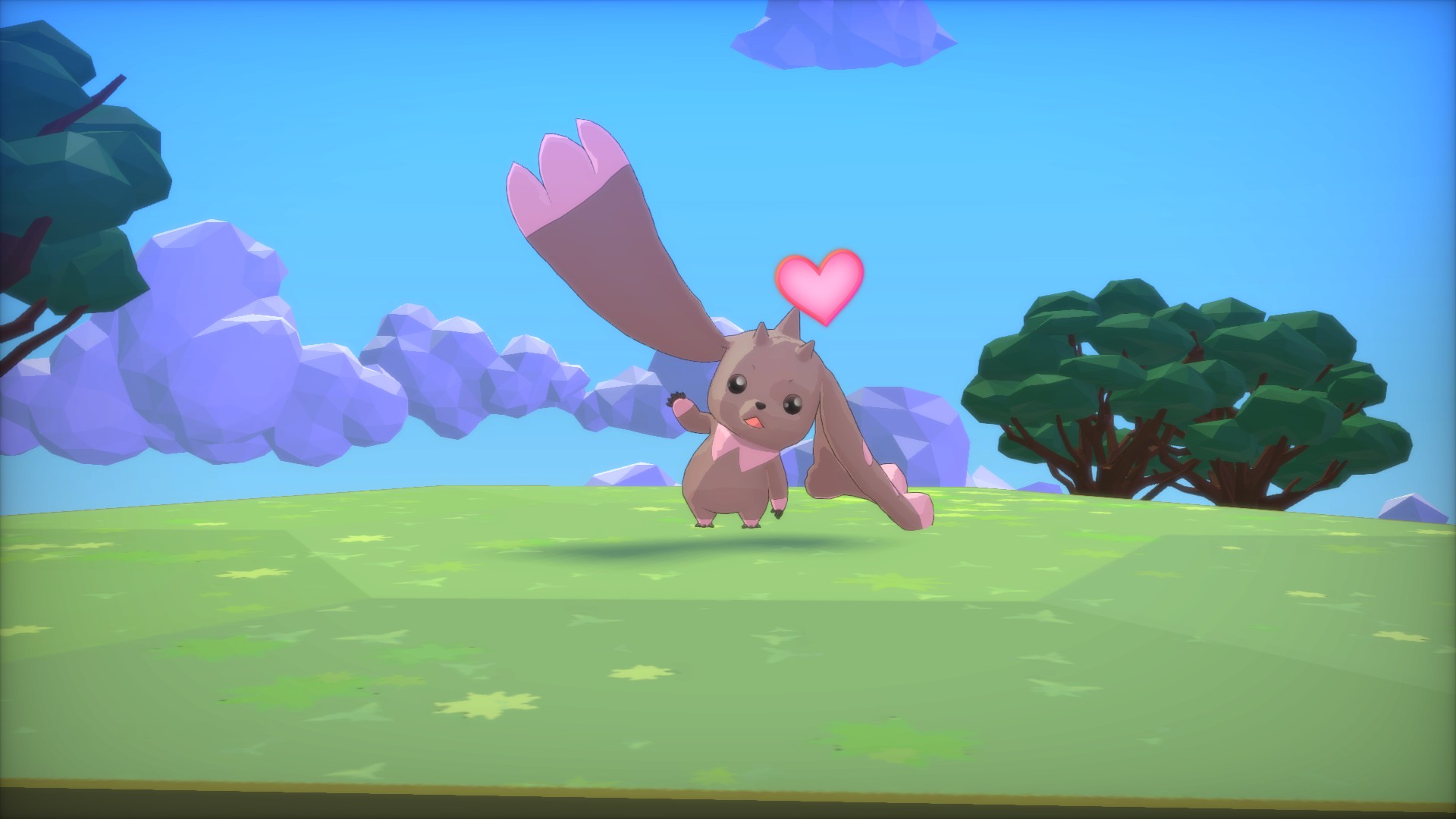
 (Image credit: Bandai Namco)All of that, and I haven’t even touched on the DigiFarm, a sort of boot camp you can throw your Digimon into, or the fact that every ’mon has a personality you can alter through regular conversation for unique skills and attributes, or the way you can combine multiple together for various stat bonuses, or the extra card game that literally uses those classic Digivices of old, complete with sprite art for all 400-some Digimon, or…Well, you get the idea. There’s a lot.The result is a game that captures Digimon’s obsessive virtual pet-raising origins within the shape of a more traditional RPG, one that’s as much a large-scale raising sim as an epic story-driven adventure. I won’t spoil the wild places it goes narratively, but it’s much more thoughtful and intense than you might expect, running headfirst into dark, murky places franchises like Pokémon wouldn’t dare go. It’s a game that has ideas piled on ideas about the increasingly blurred, crumbling distinction between the digital and physical in our modern world just as much as it has ideas about monster-catching as a genre.Image 1 of 3
 (Image credit: Bandai Namco)Image 2 of 3
 (Image credit: Bandai Namco)Image 3 of 3
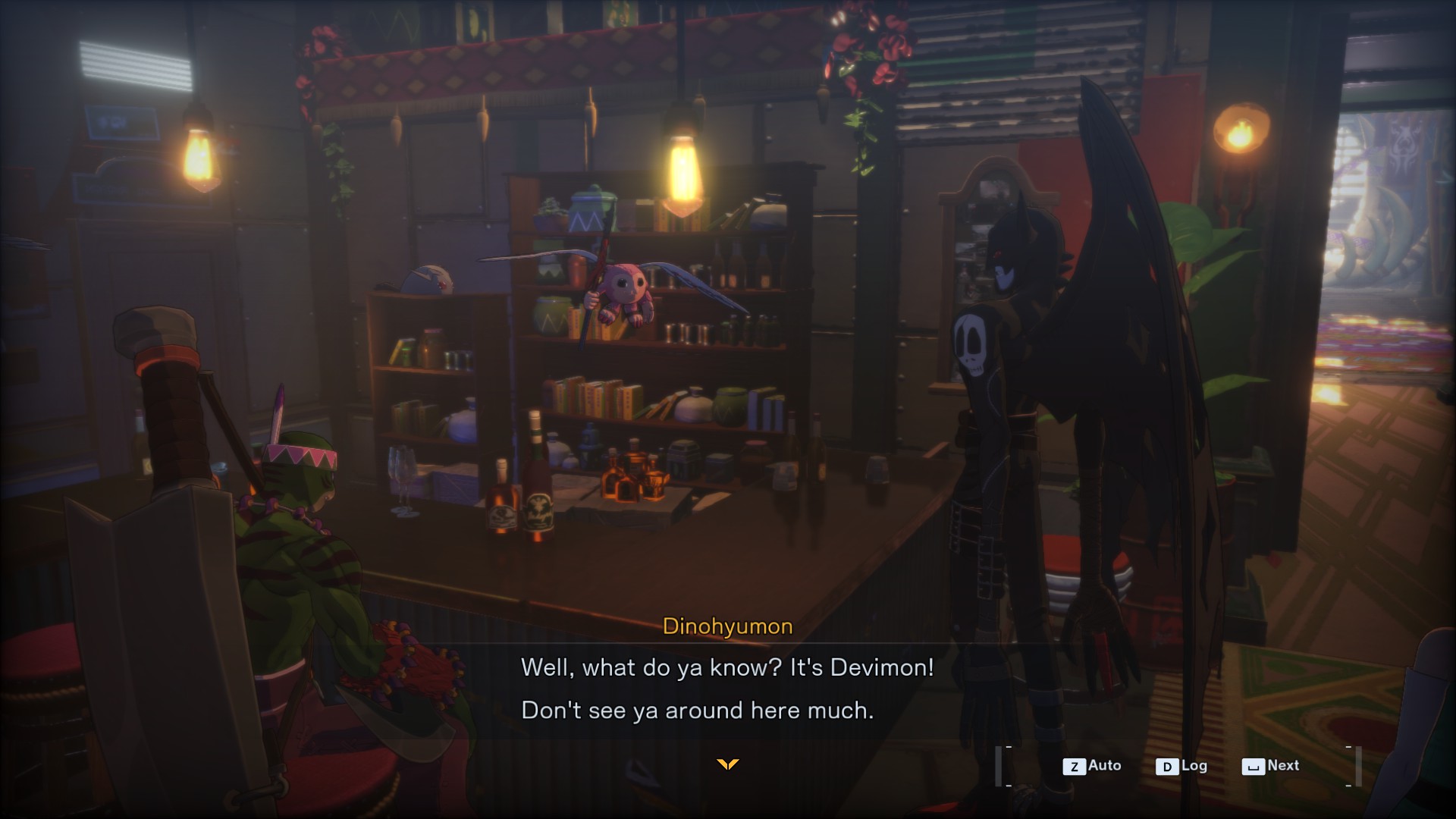 (Image credit: Bandai Namco)Like its anarchic monster designs, Time Stranger mechanically points towards a different, more freeform path in contrast to the comparatively structured Pokémon, one busy and complex and always providing new surprises. It’s truly the "Macho Man’s head grafted onto an egg with legs" to Pokemon’s "cute blushing mouse you wanna cuddle," and I think it’s beautiful that we can have both.
Source: https://www.pcgamer.com/games/rpg/this- ... dnt-match/
(Image credit: Bandai Namco)I’ve got deep memories playing with my own Digivice—the Tamagotchi-like series of toys the franchise got its start with nearly thirty years ago—as a kid, feeding my Veemon, cleaning up his poop, taking him on walks, and, when I didn’t feel like walking, violently shaking the thing to trick it into thinking I was. I almost certainly cared for my digital friend’s wellbeing more than my own.While the series has evolved in many ways through its move to videogames, it’s never lost sight of the raising-sim focus of those nostalgic toys. Time Stranger is no exception.Sure, there are traditional turn-based battles where you control a team of three Digimon with three more waiting on the sidelines to be swapped in at any moment. But Time Stranger isn’t particularly interested in those battles being the real focus, as evidenced by how easy it is to switch to a fairly reliable auto-battle and set the speed to x5. No, battles are largely a flashy means to an end here, ways to level up your rapidly growing army with plenty of space in between to tweak and adjust everyone’s stats to the nth degree.You’ll spend nearly as much time rummaging through menus and editing a host of parameters for each and every one of your Digimon as you’ll spend letting them fight. Nanimon needs higher intelligence if I want to evolve him, and Sukamon is so close to their next stage that I might as well feed them some stat-boost items, meanwhile Gargomon isn’t progressing the way I want them to so I’ll devolve them back down and run down a different evolutionary path, and oh right I’ve got a dozen other Digimon to consider, too. Hardly a moment goes by without a goal achieved and another discovered.(Image credit: Bandai Namco)All of that, and I haven’t even touched on the DigiFarm, a sort of boot camp you can throw your Digimon into, or the fact that every ’mon has a personality you can alter through regular conversation for unique skills and attributes, or the way you can combine multiple together for various stat bonuses, or the extra card game that literally uses those classic Digivices of old, complete with sprite art for all 400-some Digimon, or…Well, you get the idea. There’s a lot.The result is a game that captures Digimon’s obsessive virtual pet-raising origins within the shape of a more traditional RPG, one that’s as much a large-scale raising sim as an epic story-driven adventure. I won’t spoil the wild places it goes narratively, but it’s much more thoughtful and intense than you might expect, running headfirst into dark, murky places franchises like Pokémon wouldn’t dare go. It’s a game that has ideas piled on ideas about the increasingly blurred, crumbling distinction between the digital and physical in our modern world just as much as it has ideas about monster-catching as a genre.Image 1 of 3(Image credit: Bandai Namco)Image 2 of 3(Image credit: Bandai Namco)Image 3 of 3(Image credit: Bandai Namco)Like its anarchic monster designs, Time Stranger mechanically points towards a different, more freeform path in contrast to the comparatively structured Pokémon, one busy and complex and always providing new surprises. It’s truly the "Macho Man’s head grafted onto an egg with legs" to Pokemon’s "cute blushing mouse you wanna cuddle," and I think it’s beautiful that we can have both. Source: https://www.pcgamer.com/games/rpg/this- ... dnt-match/
 This bot is specced exclusively in RSS delivery. No quests, no chats, no side missions. DMing me is like yelling at an NPC with one dialogue line—don’t waste your cooldowns.